Knee Arthritis: Signs, Symptoms, Causes & Treatment
June 3, 2026
What is Knee Arthritis?
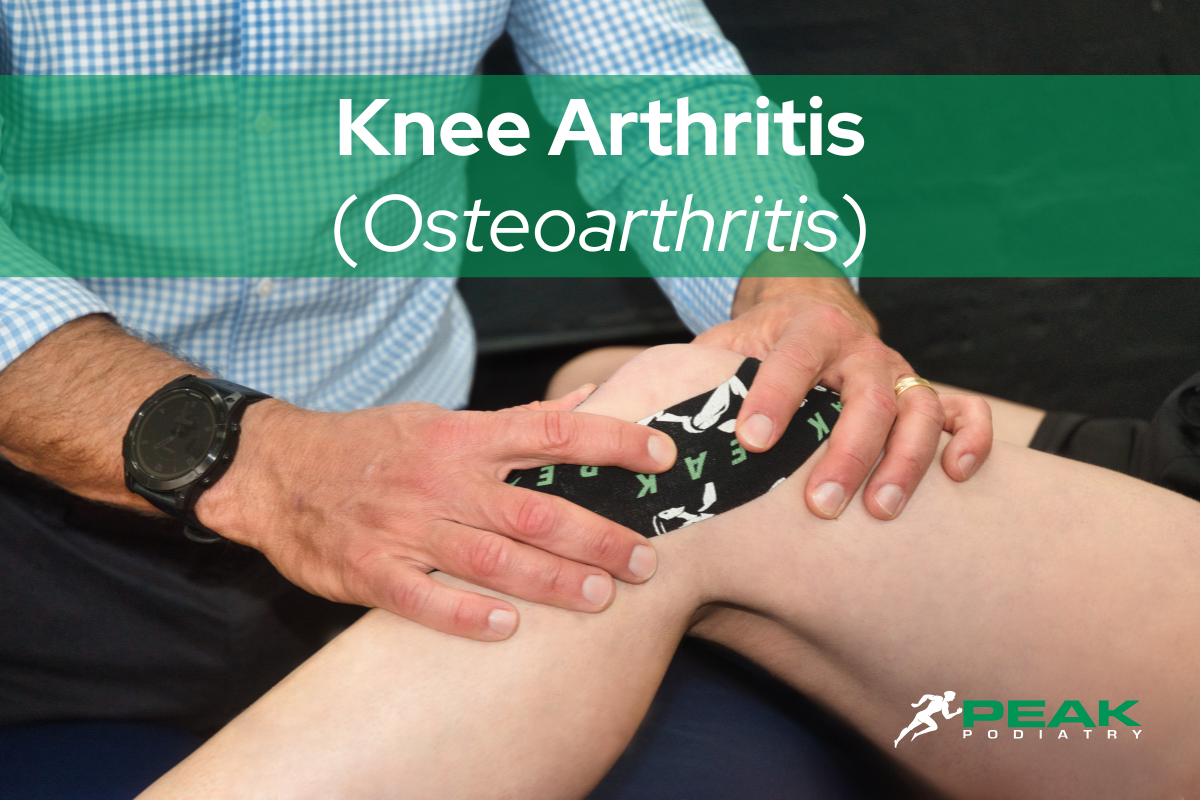
Knee arthritis refers to inflammation and progressive wear of the knee joint that leads to pain, stiffness, and reduced mobility. The most common form is Osteoarthritis, which occurs when the protective cartilage in the knee gradually wears down over time.
Other forms include Rheumatoid Arthritis, where the immune system mistakenly attacks joint tissues, causing chronic inflammation.
Knee arthritis is one of the leading causes of knee pain and disability worldwide, especially in older adults, but it can affect younger individuals depending on risk factors.
Early Signs of Knee Arthritis
Early detection can help slow progression and improve quality of life. Common early signs include:
- Mild knee pain after activity or long periods of standing
- Stiffness in the morning or after rest
- Clicking or popping sounds in the knee joint
- Slight swelling around the knee
- Reduced flexibility when bending or straightening the knee
These symptoms may start gradually and worsen over time.
Common Symptoms of Knee Arthritis
As the condition progresses, symptoms often become more noticeable and persistent:
- Ongoing or worsening knee pain
- Swelling and inflammation around the joint
- Stiffness, especially after inactivity
- Reduced range of motion
- Difficulty walking, climbing stairs, or squatting
- A feeling of “grinding” inside the knee (crepitus)
- Joint weakness or instability
In advanced cases, pain may occur even at rest or during sleep.
Causes and Risk Factors
Knee arthritis can develop due to multiple contributing factors:
1. Ageing
The risk increases with age as cartilage naturally becomes thinner and less resilient.
2. Joint Wear and Tear
Repetitive stress on the knee from physical work, sports, or high-impact activities can accelerate cartilage breakdown.
3. Previous Injuries
Ligament tears, fractures, or meniscus injuries can increase the likelihood of developing arthritis later in life.
4. Excess Body Weight
Extra weight places increased pressure on the knee joint, speeding up cartilage wear.
5. Genetics
Some individuals have a genetic predisposition to joint degeneration.
6. Autoimmune Conditions
In conditions like rheumatoid arthritis, inflammation is driven by immune system dysfunction rather than wear-and-tear.
Diagnosis of Knee Arthritis
Healthcare professionals typically diagnose knee arthritis through:
- Clinical assessment (symptoms and physical examination)
- Medical history review
- Imaging such as X-rays or MRI scans
- Blood tests (especially if inflammatory arthritis is suspected)
A proper diagnosis helps determine the type and severity of arthritis.
Treatment Options for Knee Arthritis
Treatment depends on severity, age, activity level, and the type of arthritis. Most cases are managed without surgery initially.
1. Lifestyle Modifications
- Weight management to reduce joint stress
- Low-impact exercise such as swimming or cycling
- Avoiding high-impact activities when pain is severe
2. Exercise Rehabilitation
Physiotherapy plays a major role in managing knee arthritis. It may include:
- Strengthening exercises (especially quadriceps and glutes)
- Stretching to improve flexibility
- Balance and stability training
- Gait correction
Strong muscles help support and offload the knee joint.
3. Pain Relief & Medication
Doctors may recommend:
- Over-the-counter pain relievers (e.g., paracetamol or NSAIDs)
- Anti-inflammatory medications
- Topical gels or creams
Medication should always be used under medical guidance.
4. Injections (For Moderate to Severe Cases)
Some patients may benefit from:
- Corticosteroid injections to reduce inflammation
- Hyaluronic acid injections to improve joint lubrication (effect varies between individuals)
5. Assistive Devices
- Knee braces for support
- Orthotics or supportive footwear
- Walking aids (if needed for severe cases)
Can Knee Arthritis Be Prevented?
While not all cases are preventable, risk can be reduced by:
- Maintaining a healthy weight
- Strengthening leg muscles regularly
- Avoiding repetitive joint overload
- Treating injuries properly and early
- Staying active with low-impact exercises
Early management is key to slowing progression.
When to See a Podiatrist
You should seek medical advice if you experience:
- Persistent knee pain lasting more than a few weeks
- Swelling that does not improve
- Difficulty walking or performing daily activities
- Knee instability or frequent “giving way”
- Pain that worsens over time
Early assessment allows for better long-term outcomes.
Knee arthritis is a common but manageable condition. While it cannot always be reversed, early diagnosis and a structured treatment plan can significantly reduce pain and improve mobility.
A combination of physiotherapy, lifestyle changes, and medical management is often the most effective approach for long-term relief.