Patellofemoral Pain Syndrome
July 2, 2025
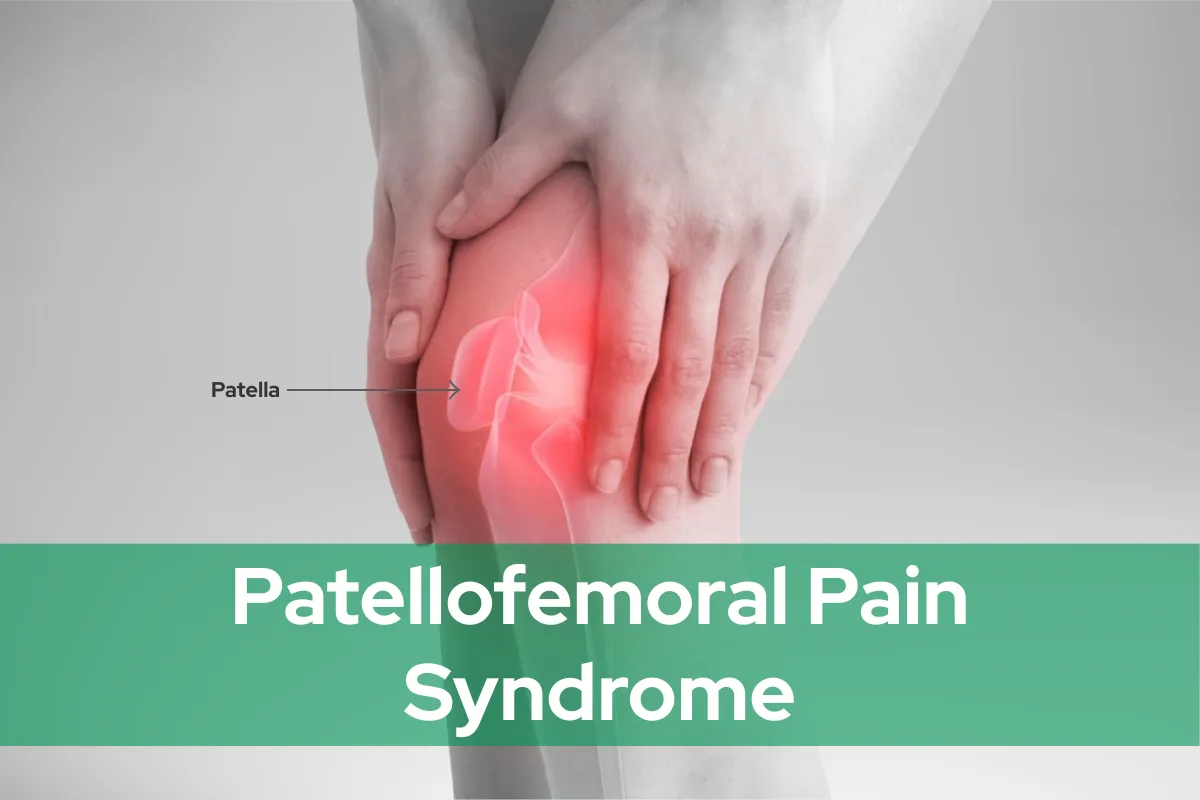
Patellofemoral Pain Syndrome (PFPS), also known as “Runner’s Knee,” is a common condition that causes pain at the front of the knee, often around the kneecap. Pain usually worsens with activities such as climbing stairs, running, and squatting. While often associated with overuse, other factors like muscle imbalance, structural differences, or sudden increases in activity can also contribute.
Anatomy
The knee is the largest and one of the most complex joints in the body. It is made up of:
- The lower end of the femur (thighbone)
- The upper end of the tibia (shinbone)
- The patella (kneecap)
Ligaments and tendons connect the femur to the bones of the lower leg. The four main ligaments attach to the bones and act like strong ropes to hold them together.
A healthy knee consists of five main components: bones, cartilage, menisci, ligaments, and tendons. Muscles are connected to bones by tendons.
- Quadriceps tendon: Connects the muscles in the front of the thigh to the patella
- Patellar retinacula: Segments of the quadriceps tendon that attach to the tibia and help stabilize the patella
- Patellar tendon: Connects the patella to the tibia
Causes and Symptoms of PFPS
- Overuse: Repetitive knee bending, especially during running or sports, can lead to PFPS
- Structural factors: Some individuals have a naturally shallow groove in the femur where the patella sits, increasing the risk of PFPS
- Sudden increase in activity: Rapidly increasing training intensity or distance can stress the knee, causing pain
- Poor biomechanics: Issues such as genu valgum or pronated foot posture can contribute to misalignment of the patella during movement
Treatment
A physical exam that assesses hip, knee, and foot joint movements is recommended. Treatment options include:
- Rest
- Ice
- Stretching and strengthening exercises
- Physical therapy
- Pain relief medications
- Orthoses, if poor mechanics are indicated
- Footwear changes
Surgical treatment for patellofemoral pain is very rarely needed and is considered only for severe cases that do not respond to nonsurgical treatment.