
Flat Feet: When It Matters and How to Manage It
May 1, 2026
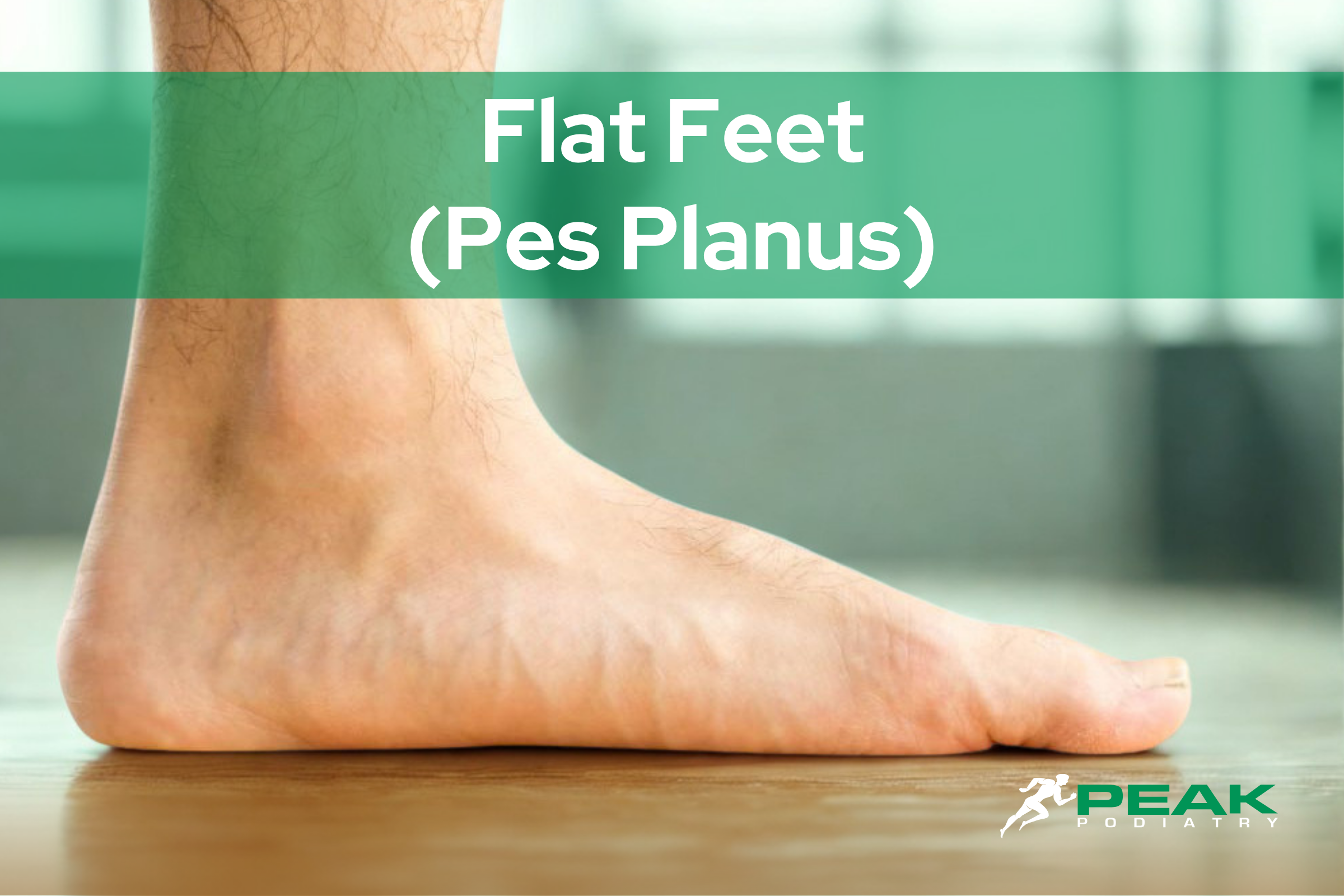
Flat Feet: When It’s Normal, When It’s a Problem, and How to Support Them
Flat feet are more common than many people realize. In fact, a significant portion of the population has some degree of fallen or low arches — and for many, it never causes any issues at all.
But in some cases, flat feet can contribute to discomfort, fatigue, or changes in the way you move. Understanding when it’s harmless and when it needs attention can help you make better decisions about your foot health.
What Are Flat Feet?
Flat feet, also called pes planus, occur when the arch of the foot is lower than usual or collapses when standing or walking.
In some people, the arch is always flat. In others, the arch appears normal when sitting but flattens during weight-bearing activities.
This variation is completely normal and doesn’t always mean something is wrong.
Are Flat Feet a Problem?
Not necessarily.
Many people with flat feet experience:
- No pain
- No movement issues
- No limitations in daily life or sports
However, flat feet can become a concern when they start affecting how your body handles load and movement.
Signs Your Flat Feet May Need Attention
You may want to look closer if you notice:
- Foot or arch pain after standing or walking
- Tired or “heavy” feet, especially at the end of the day
- Knee, hip, or lower back discomfort
- Uneven shoe wear patterns
- Feeling unstable or “rolling in” when you walk
These signs may indicate that your feet are struggling to manage load efficiently.
Why Flat Feet Can Affect the Whole Body
Your feet are the foundation of your movement. When the arch collapses excessively, it can influence how force travels upward through your body.
This can affect:
- Ankle alignment
- Knee tracking
- Hip stability
- Overall walking mechanics
Over time, this may contribute to conditions such as Plantar fasciitis or other overuse-related discomforts.
How to Support Flat Feet
The goal isn’t always to “fix” flat feet — it’s to improve function and reduce symptoms.
1. Footwear
Supportive shoes can help reduce excessive strain and improve comfort during daily activities.
2. Strengthening exercises
Targeted exercises for the feet and lower leg can improve control and stability over time.
3. Custom orthotics
Custom orthotics may help by improving load distribution and supporting more efficient movement patterns while you’re on your feet.
Flat feet are not automatically a problem. The real question is whether they are causing symptoms or affecting your movement.
Foot health is often overlooked, but small changes in how your feet function can influence your entire body.
If they are pain-free and functional, there’s often nothing to worry about.
If they’re causing discomfort, there are practical ways to help.
If you’re experiencing ongoing discomfort, it’s worth looking at the bigger picture — starting from the ground up.