Signs You Might Need Orthotics
July 8, 2026

Foot pain is often easy to ignore at first, but it’s usually your body’s way of telling you something isn’t working efficiently. Many people assume foot pain is normal, especially after long days on their feet—but persistent discomfort can be a sign that your feet need extra support.
Custom orthotics are designed to improve foot function, reduce strain, and help prevent ongoing pain or injury.
Here are the most common signs you might benefit from orthotics.
1. You Have Ongoing Foot Pain
Persistent pain in your feet is one of the clearest signs something isn’t right.
You may feel:
- Heel pain when walking or standing
- Arch pain during activity
- Pain in the ball of your foot
If the pain keeps returning or doesn’t improve with rest or footwear changes, it may be due to underlying biomechanical issues that orthotics can help address.
2. Heel Pain First Thing in the Morning
Sharp heel pain when getting out of bed is commonly associated with plantar fasciitis.
This happens because the tissue in your foot tightens overnight, and the first steps of the day place sudden stress on it.
Orthotics can help by:
- Supporting the arch
- Reducing strain on the plantar fascia
- Improving foot mechanics during movement
3. Your Feet Feel Tired Quickly
If your feet feel sore or fatigued after short periods of standing or walking, it may indicate poor load distribution or lack of support.
This is especially common in people who:
- Stand for long hours at work
- Walk extensively throughout the day
- Wear flat or unsupportive shoes
Orthotics help distribute pressure more evenly, reducing muscle fatigue.
4. You Experience Knee, Hip, or Lower Back Pain
Your feet form the foundation of your movement. When they are not properly supported, it can affect your entire lower limb alignment.
Poor foot mechanics may contribute to:
- Knee pain
- Hip discomfort
- Lower back strain
In many cases, addressing foot alignment with orthotics can help reduce stress higher up the body.
5. You Have Flat Feet or High Arches
Foot structure plays a major role in how your body absorbs impact.
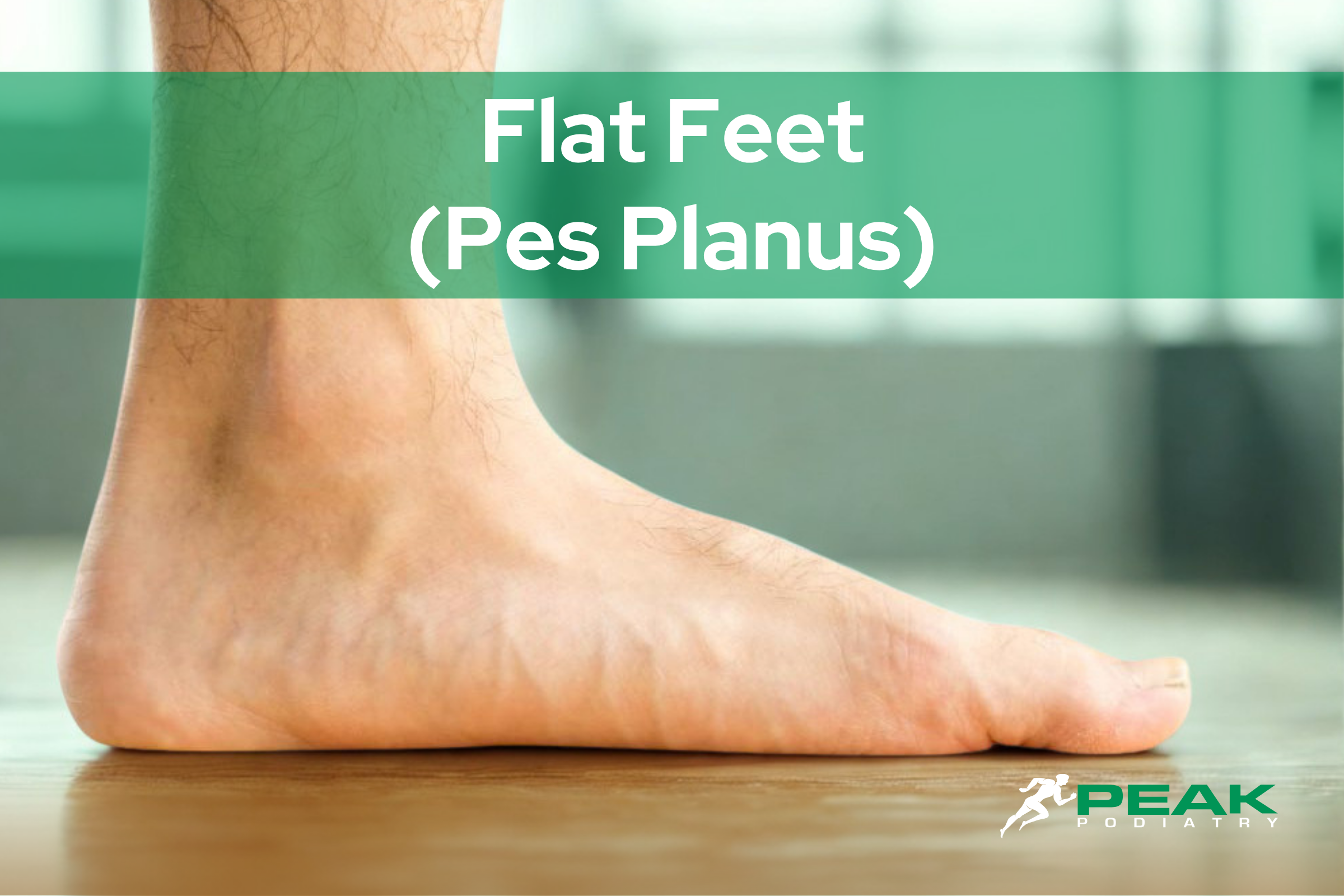
- Flat feet may cause excessive inward rolling (overpronation)
- High arches may lead to increased pressure on the heel and forefoot
Both can lead to pain, instability, and fatigue. Orthotics help support your natural foot structure and improve alignment.
6. Your Shoes Wear Out Unevenly
Take a look at the soles of your shoes.
Uneven wear patterns may indicate:
- Overpronation (wear on the inside edge)
- Supination (wear on the outside edge)
- Gait imbalance
This uneven loading can contribute to pain and long-term joint stress.
7. You Keep Getting Blisters, Corns, or Calluses
Recurring skin issues in the same areas often indicate abnormal pressure or friction.
Orthotics can help by:
- Redistributing pressure
- Improving foot alignment in shoes
- Reducing repetitive rubbing in problem areas
8. You Stand or Walk for Long Periods
People who are on their feet all day are more likely to experience foot fatigue and discomfort.
Orthotics provide additional support and cushioning to help reduce daily strain.
When Should You See a Podiatrist?
You should book a podiatry assessment if:
- Pain has lasted more than a few weeks
- Symptoms are getting worse
- Foot pain is affecting your daily activities
- You have recurring foot or lower limb issues
- You suspect your walking pattern may be contributing
A podiatrist can assess your feet, footwear, and movement to determine whether orthotics are appropriate.
How Orthotics Can Help
Custom orthotics are designed specifically for your feet and may help:
- Improve alignment
- Support the arches
- Reduce pressure on painful areas
- Improve walking and movement efficiency
- Prevent recurring injuries
They are not a one-size-fits-all solution and are tailored to your needs and lifestyle.
Foot pain is not something you need to accept as normal. If you are experiencing any of the signs above, it may be time to have your feet assessed by a podiatrist.
Early intervention can make a significant difference in reducing pain, improving mobility, and preventing long-term issues.
If you're unsure whether orthotics are right for you, a professional assessment can help guide the best treatment plan for your feet.