When to See a Podiatrist? What They Treat & When to Get Help
September 9, 2026

When to See a Podiatrist: What They Treat & When to Get Help
Foot and lower limb problems can affect how you walk, run, exercise and go about your everyday life. While some issues may settle with time, persistent or recurring symptoms can be a sign that you need professional assessment.
A podiatrist is a healthcare professional who specialises in the feet, ankles and lower limbs. They assess a wide range of conditions, identify contributing factors and provide treatment and management strategies to help you stay active.
But how do you know when it is time to see a podiatrist?
What Does a Podiatrist Treat?
Podiatrists treat a wide range of foot and lower limb conditions. These can affect people of all ages and activity levels, from everyday foot problems to sports-related injuries.
Common conditions treated by podiatrists include:
- Heel pain and plantar fasciopathy
- Achilles tendinopathy
- Ankle sprains
- Shin pain and shin splints
- Stress fractures
- Foot and ankle injuries
- Ball-of-foot pain
- Bunions and toe problems
- Ingrown toenails
- Corns and calluses
- Foot and ankle arthritis
- Running-related injuries
- Sports injuries
- Lower limb and biomechanical problems
Treatment depends on the condition and its underlying cause. Depending on your presentation, this may include exercise rehabilitation, footwear advice, activity modification, taping, orthotics or other appropriate treatment strategies.
When Should You See a Podiatrist?
You do not necessarily need to wait until your pain becomes severe before seeking help.
Consider seeing a podiatrist if you have:
Persistent Foot or Lower Limb Pain
Pain that continues, keeps returning or interferes with your normal activities is worth assessing.
Ongoing symptoms can sometimes become more difficult to manage if the factors contributing to them are not addressed.
Pain When Running or Exercising
If foot, ankle or lower limb pain is affecting your training or exercise, it may indicate that your body is struggling to manage your current workload.
A podiatrist can assess factors such as your activity levels, footwear, movement and lower limb function to help identify potential contributors.
A Recurring Injury
If the same injury keeps coming back, treating the symptoms alone may not address the factors contributing to the problem.
A podiatry assessment can help identify potential contributors and guide an appropriate rehabilitation and management plan.
Changes in How You Walk or Run
Changes in your walking or running pattern can occur because of pain, injury, weakness, changes in activity or other factors.
A podiatrist can assess how your feet and lower limbs function and whether these changes may be contributing to your symptoms.
Difficulty Finding Comfortable Footwear
Foot shape and structure can influence how footwear fits and feels.
If certain shoes consistently cause discomfort, pressure or rubbing, a podiatrist can assess your feet and provide guidance on suitable footwear.
Foot or Lower Limb Problems Affecting Everyday Activities
You do not have to be an athlete to benefit from seeing a podiatrist.
If foot or lower limb symptoms are making it difficult to walk, work, exercise or participate in activities you enjoy, it is worth getting assessed.
What Happens During a Podiatry Appointment?
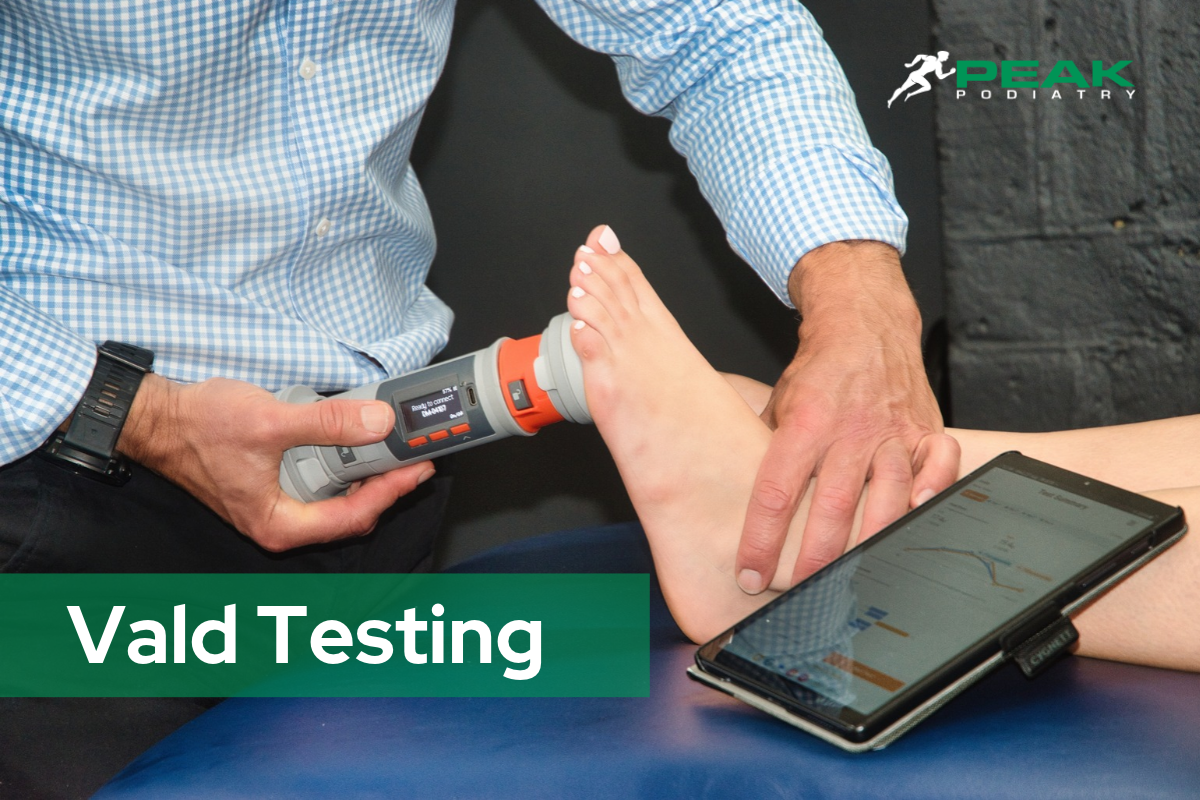
Your appointment will generally begin with a discussion about your symptoms, activity levels, medical history and any factors that may have contributed to the problem.
Depending on your presentation, your podiatrist may assess:
- Foot and ankle movement
- Strength and flexibility
- Walking or running mechanics
- Lower limb alignment
- Joint function
- Footwear
- Training or activity load
The goal is not simply to identify where you feel pain, but to understand what may be contributing to the problem.
Your podiatrist can then recommend an appropriate treatment and management plan based on your individual needs.
When Should You Get Foot Pain Checked?
As a general rule, if your symptoms are persistent, worsening, recurring or affecting your ability to stay active, it is worth getting them assessed.
Early assessment can help identify the problem and provide a clearer path forward, particularly when symptoms are interfering with sport, exercise or everyday activities.
You should seek prompt medical assessment for significant injuries, severe or sudden pain, an inability to bear weight, or symptoms following significant trauma.
The Bottom Line
Podiatrists do more than treat foot pain. They assess the feet and lower limbs, identify contributing factors and help manage a wide range of musculoskeletal and foot-related conditions.
Whether you are dealing with ongoing heel pain, a sports injury, recurring symptoms or changes in the way you move, getting the right assessment can help you understand what is happening and what to do next.
If foot or lower limb symptoms are stopping you from doing what you enjoy, it may be time to see a podiatrist.